Holy Island
Holy Island cottages come with a rhythm that no other stretch of the Northumberland coast can match. Twice a day the tide covers the causeway, and the island is left to the few people who are already on it. Day visitors head back across the sands, the village car park empties, and the Holy Island of Lindisfarne settles into gull calls, church bells and the smell of woodsmoke.
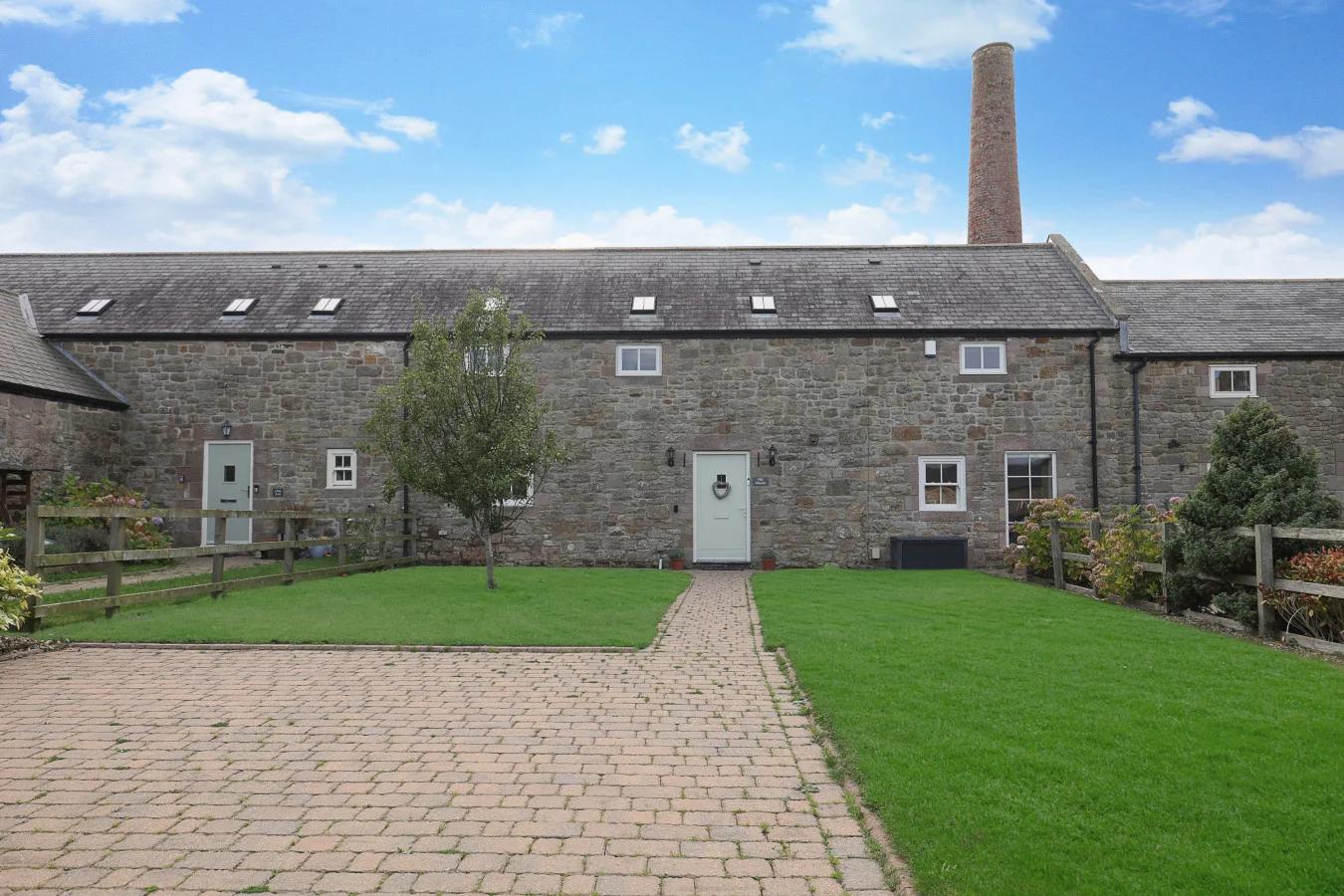
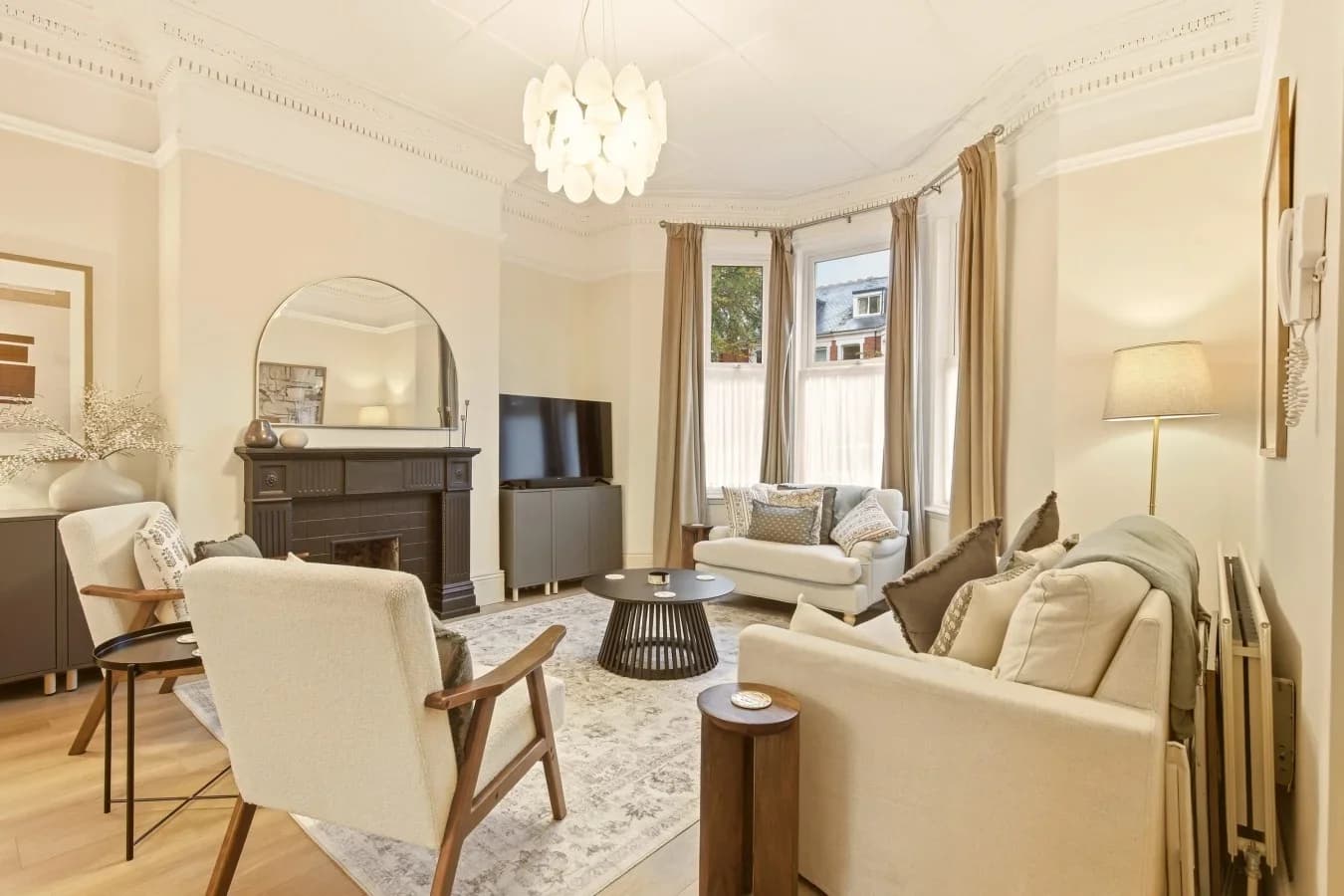
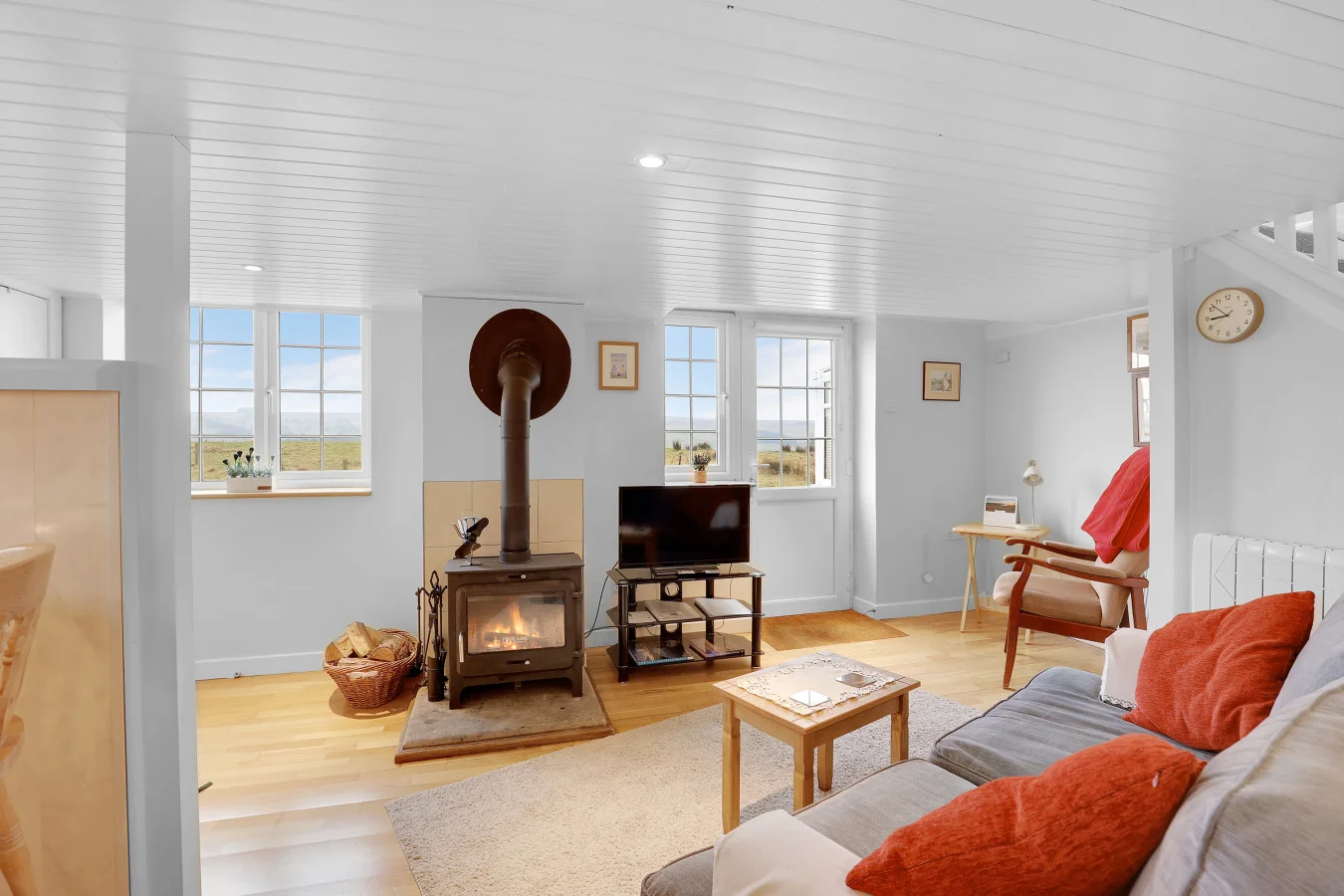
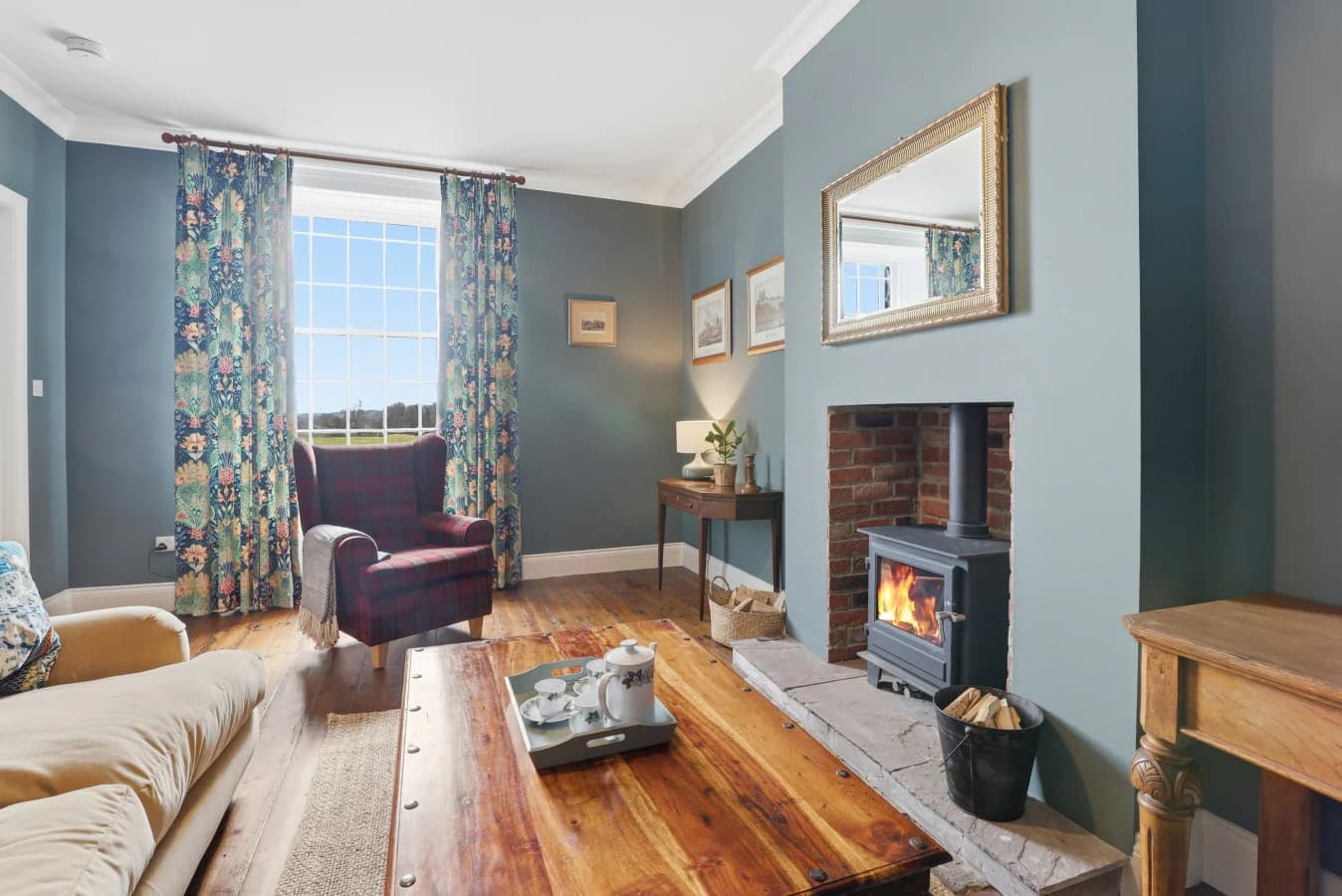
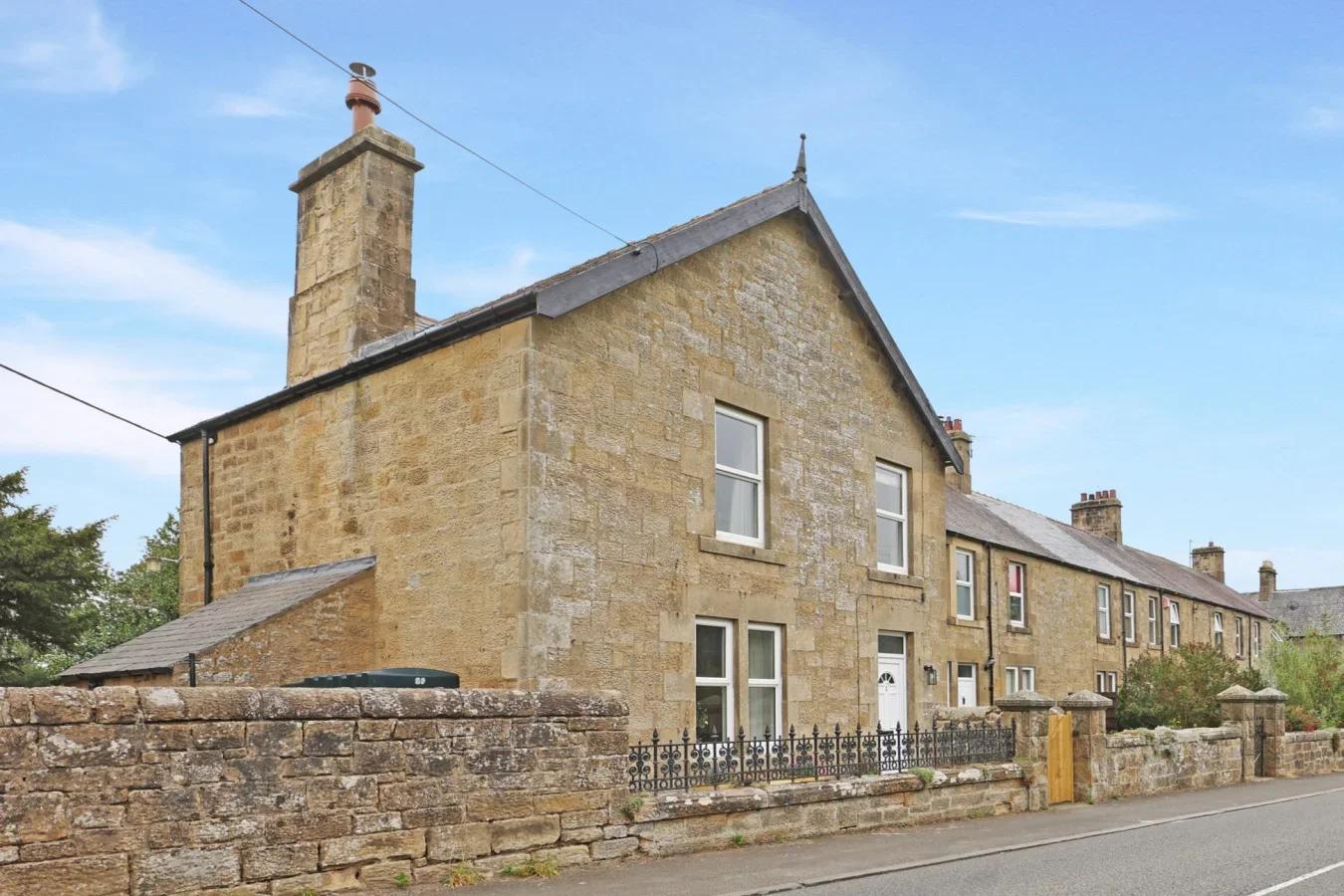
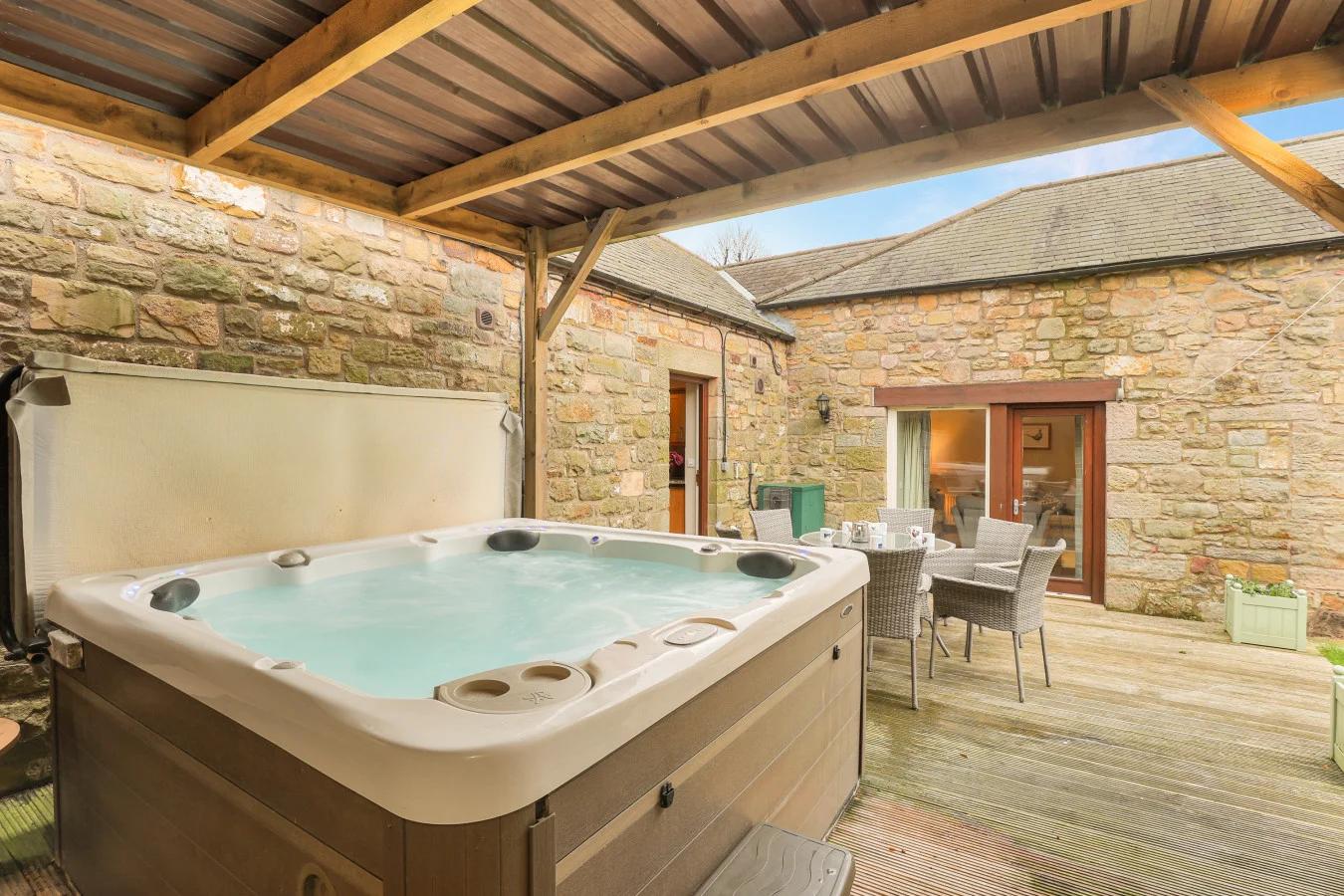
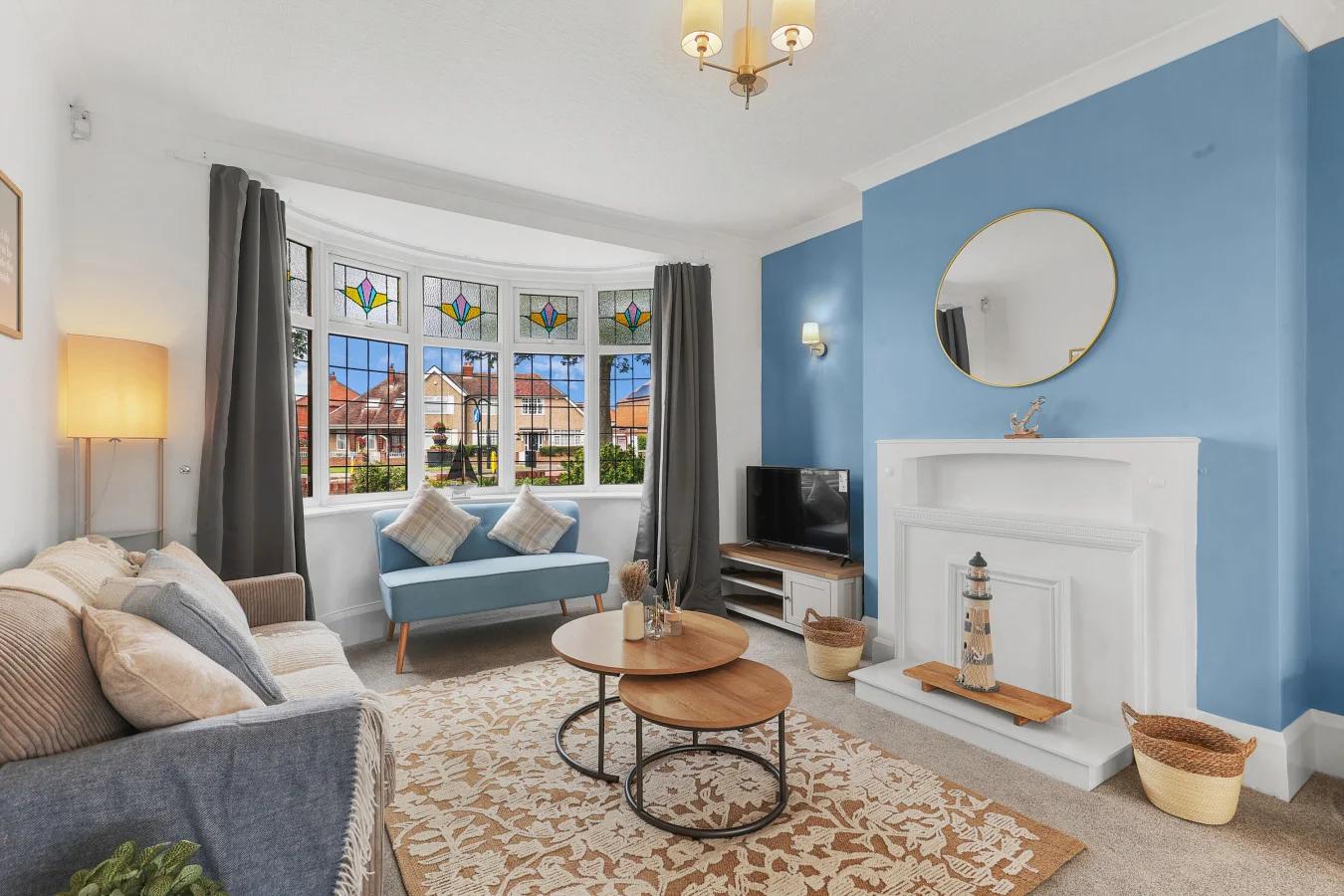
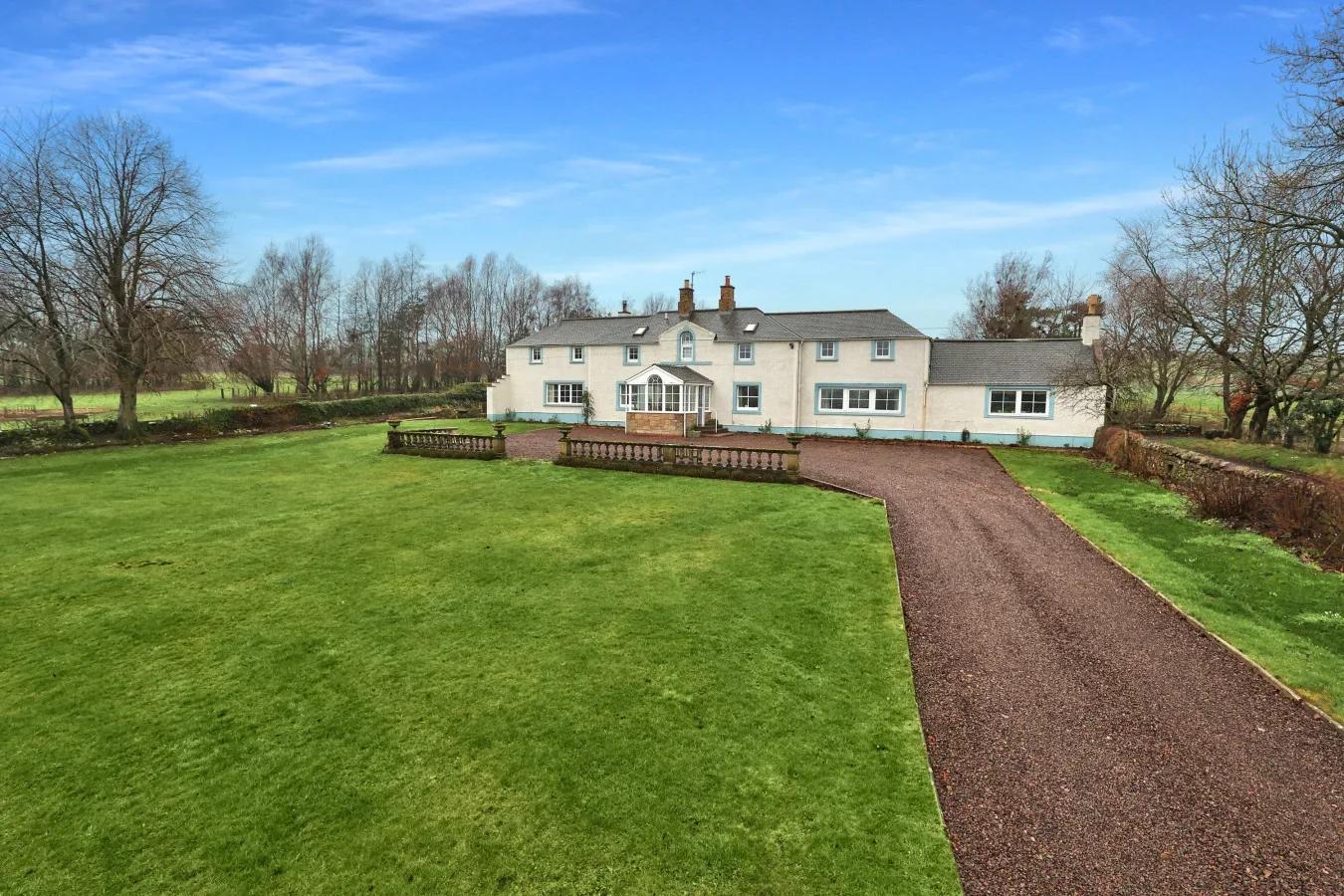
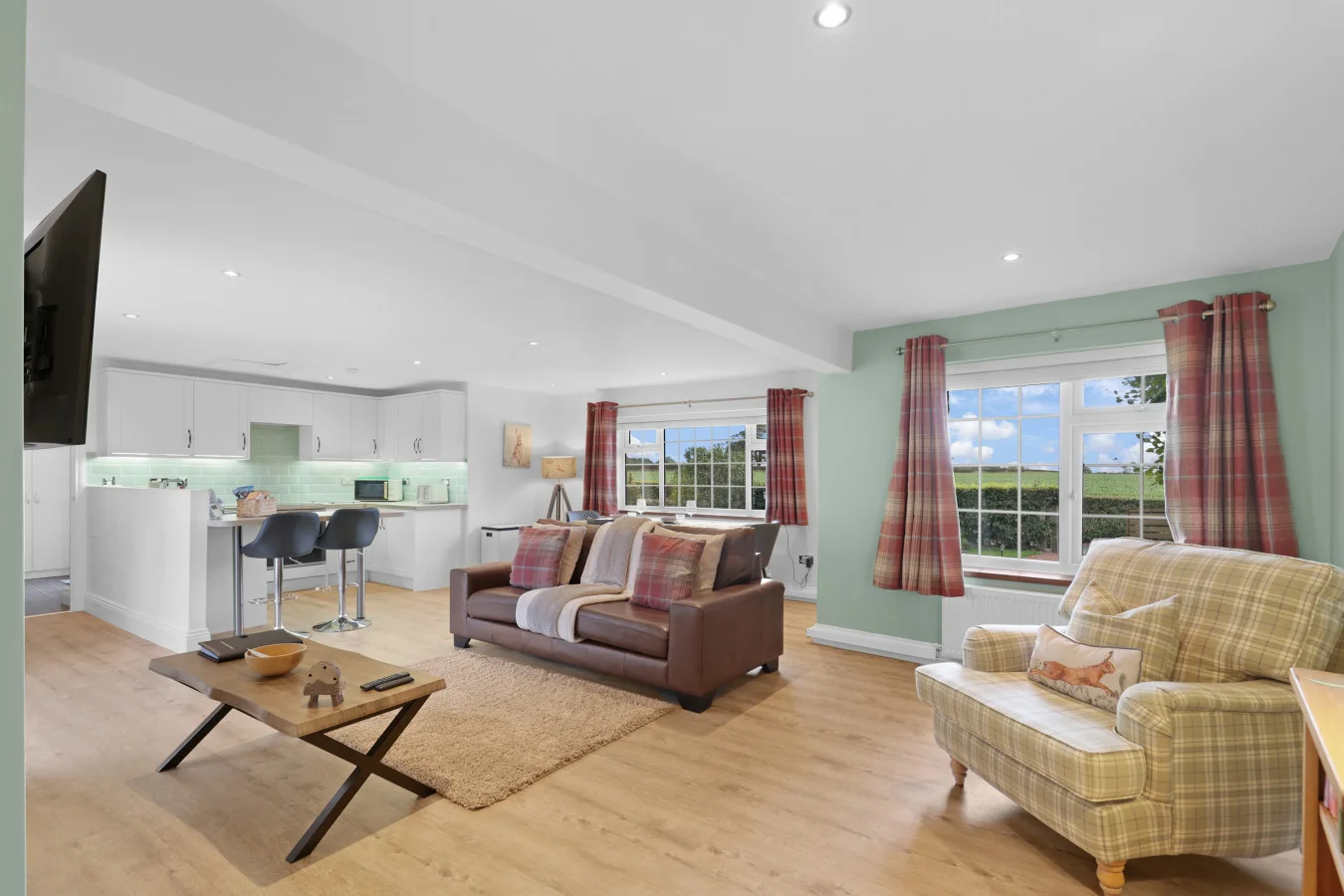
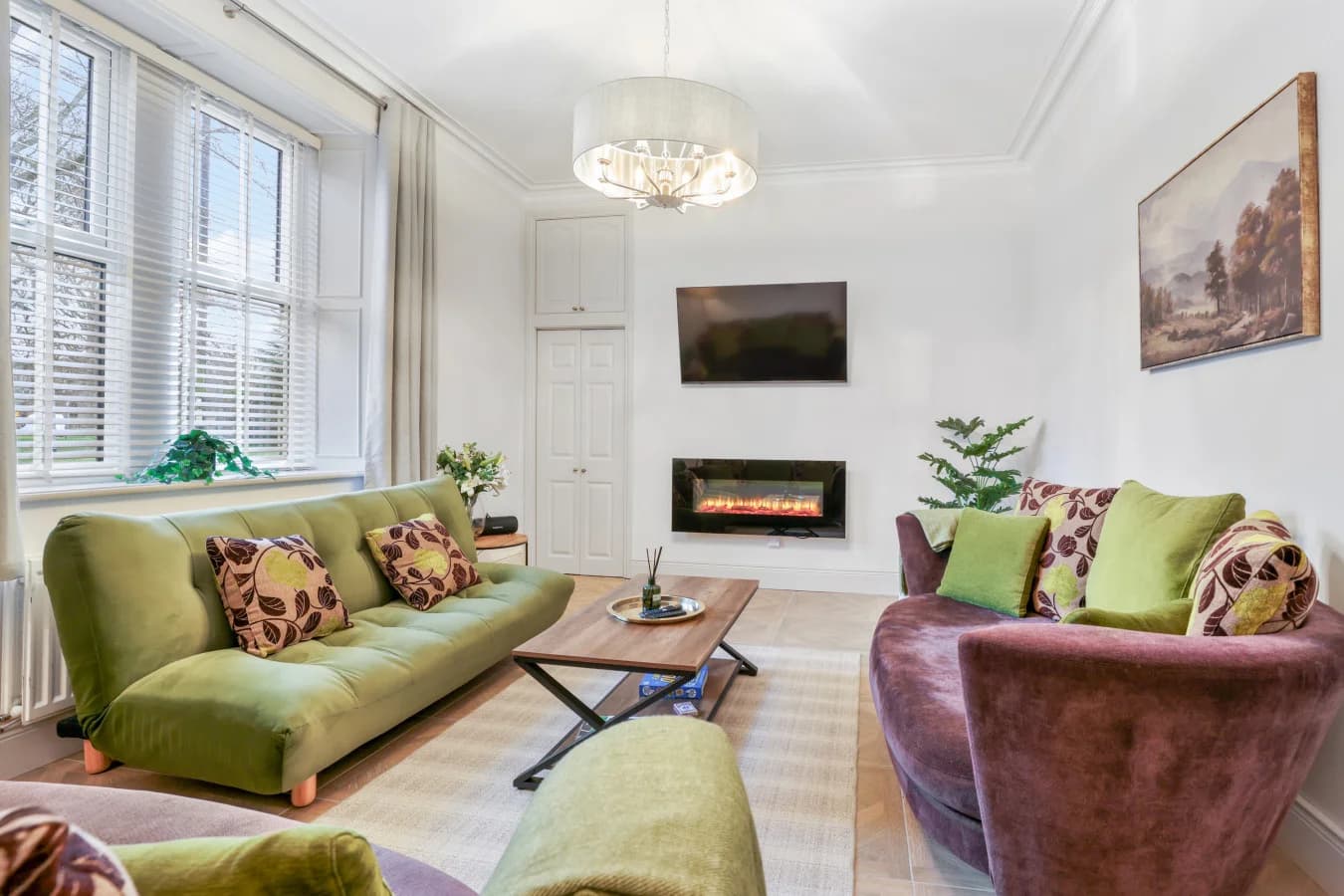
Our Holy Island holiday cottages put you in the right spot to experience that rhythm, with the quiet streets, the harbour at dusk and the priory ruins at first light all to yourself. We’re locally owned and managed, and we’re careful to say where each of our properties really sit. Some of our holiday cottages on Holy Island are in the village itself, while others are mainland stays within easy reach, and that difference shapes your whole trip. Expect big tides, bright skies and a village small enough to walk end to end in minutes.
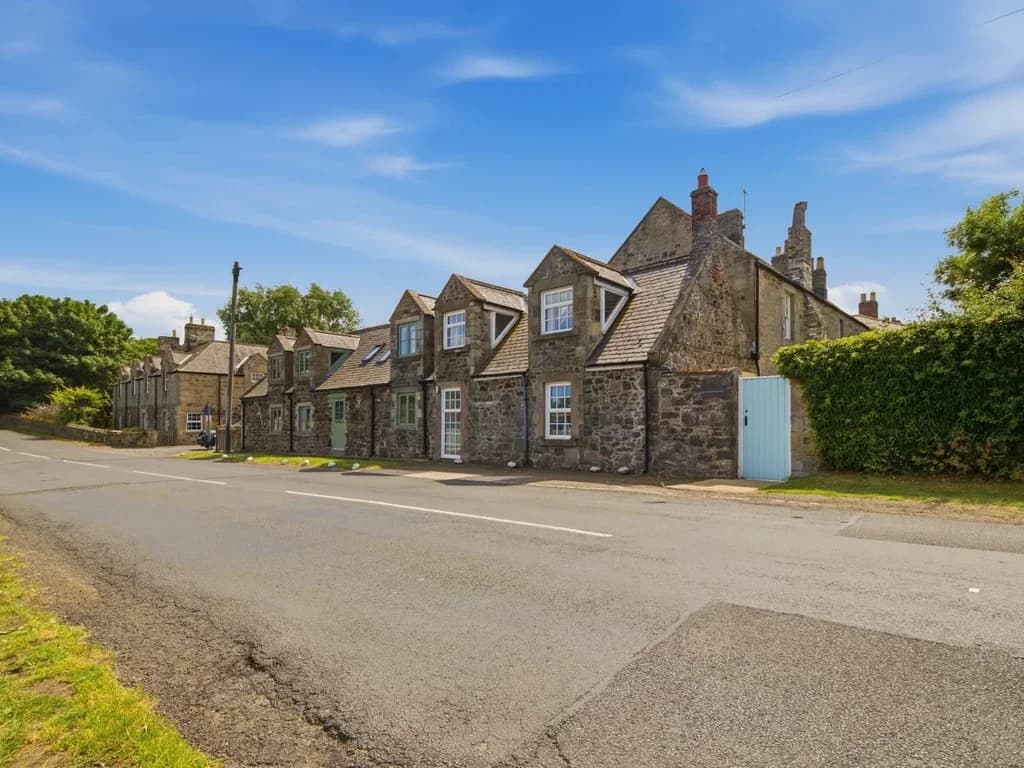
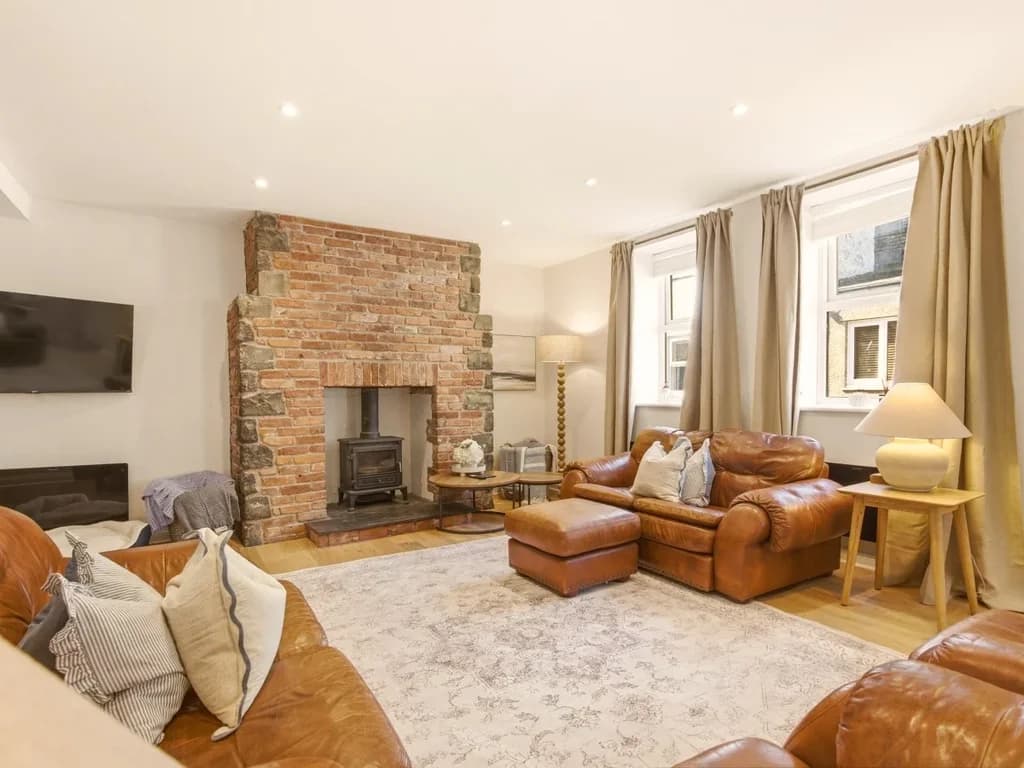
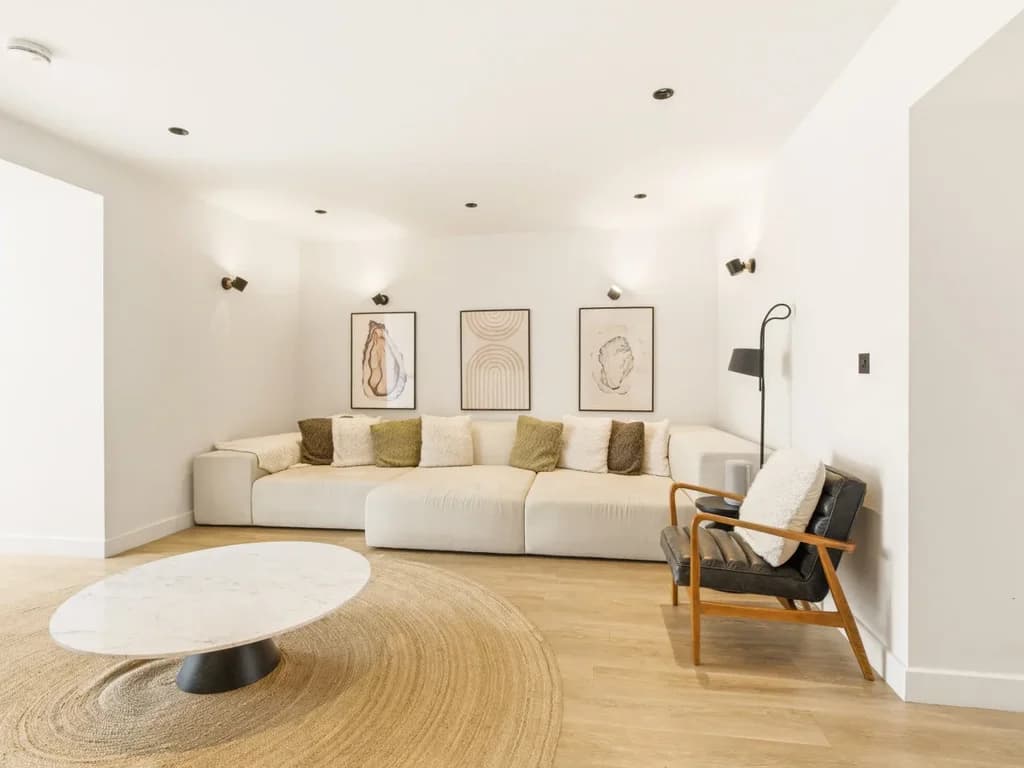
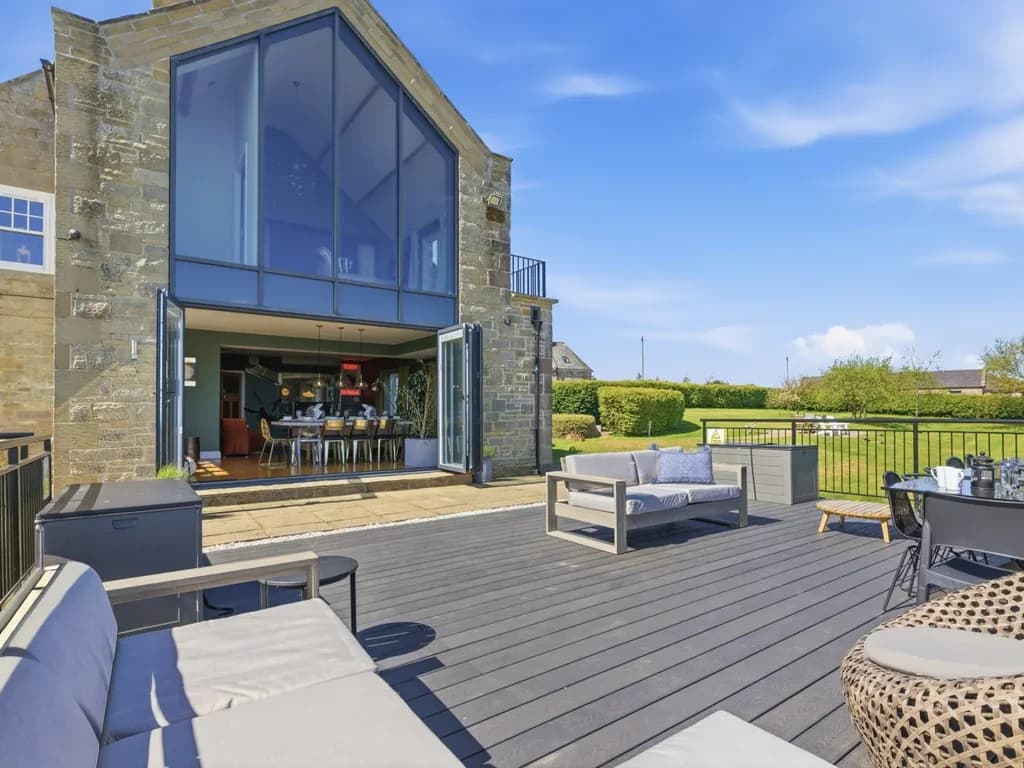
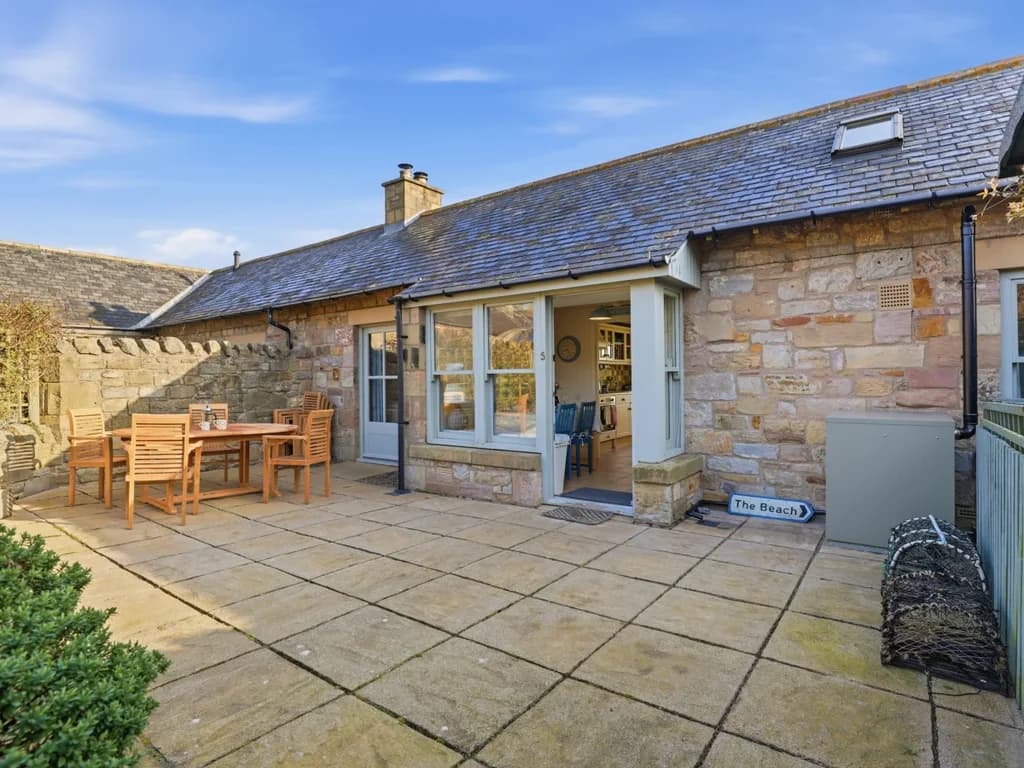
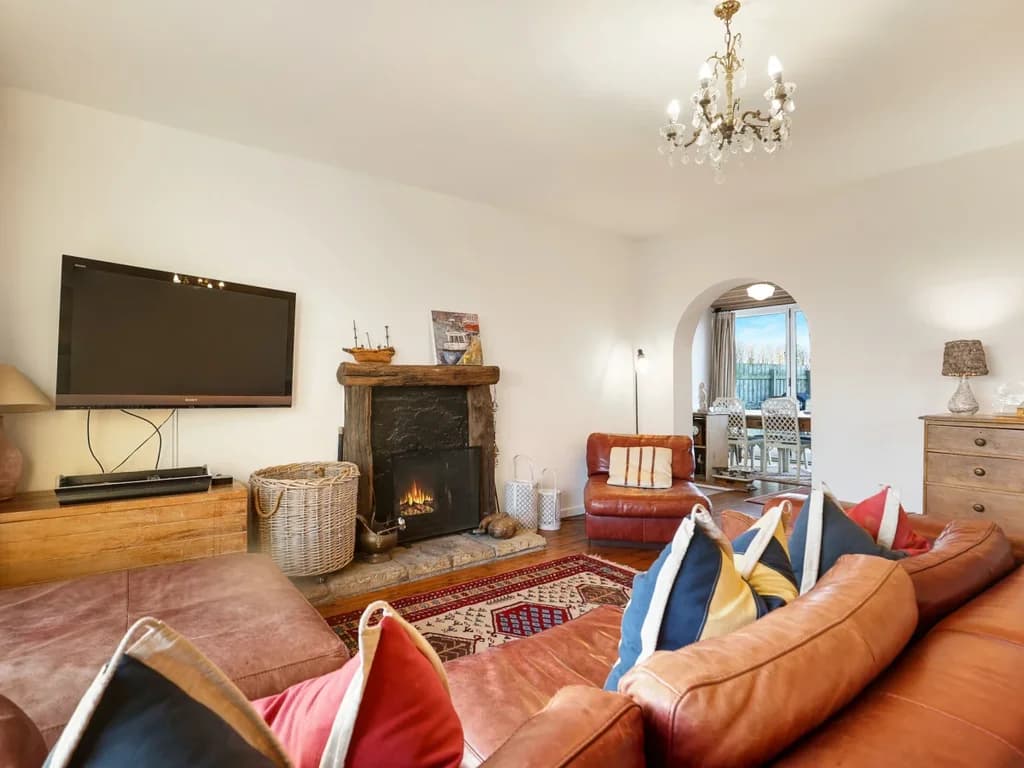
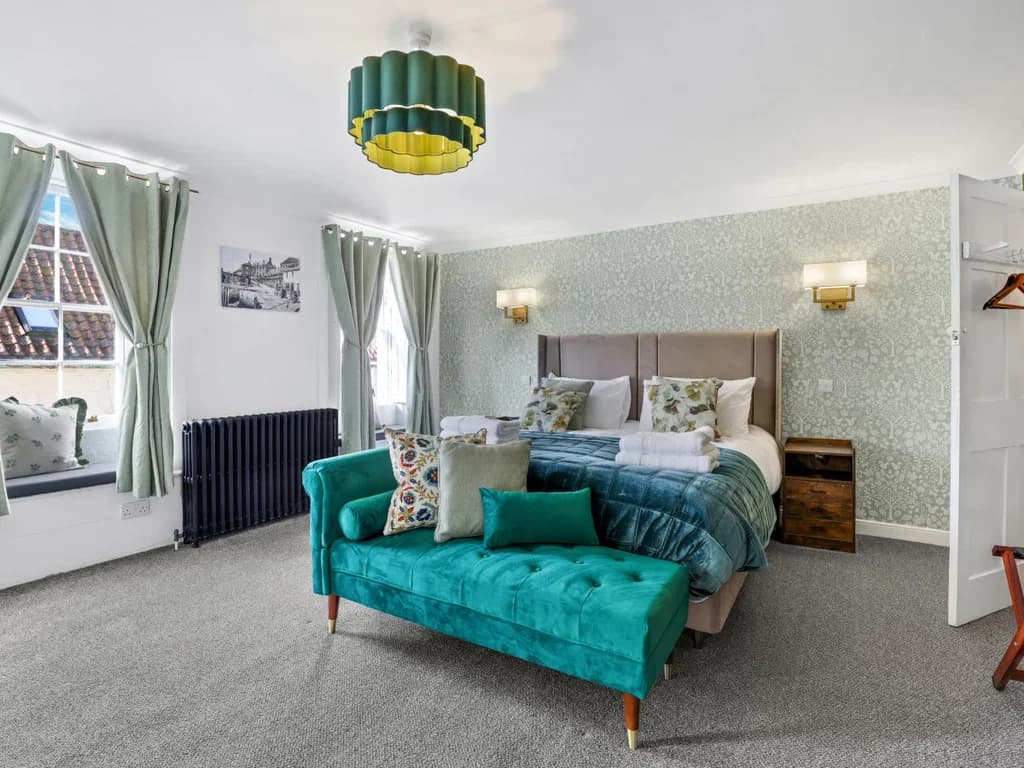
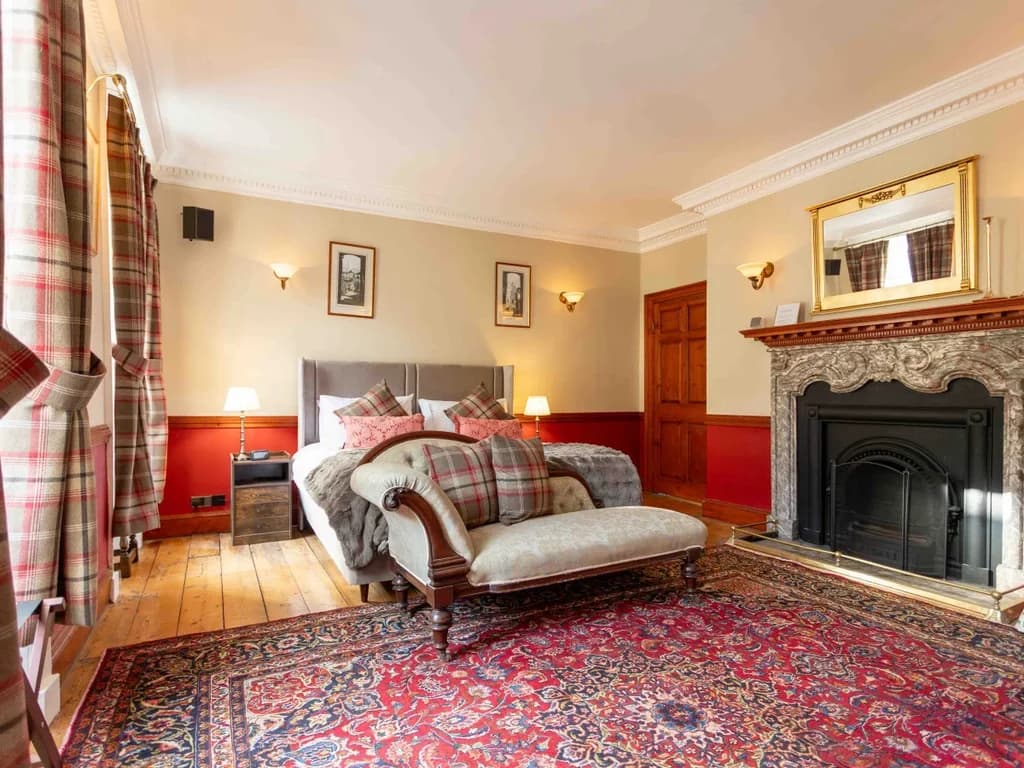
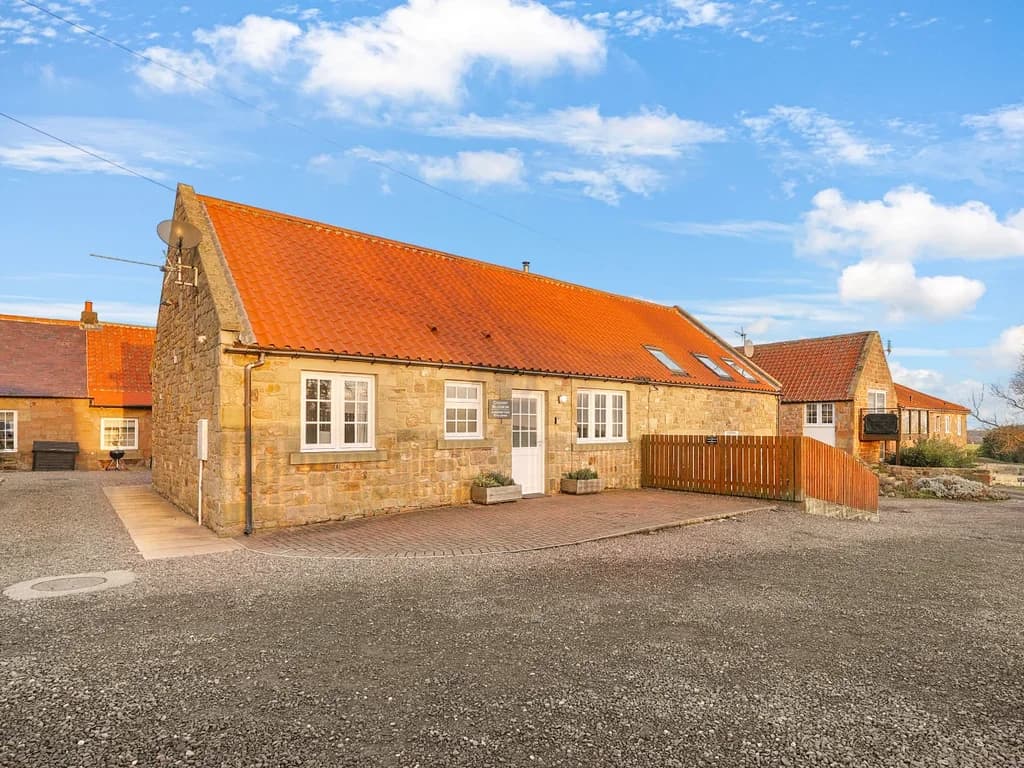
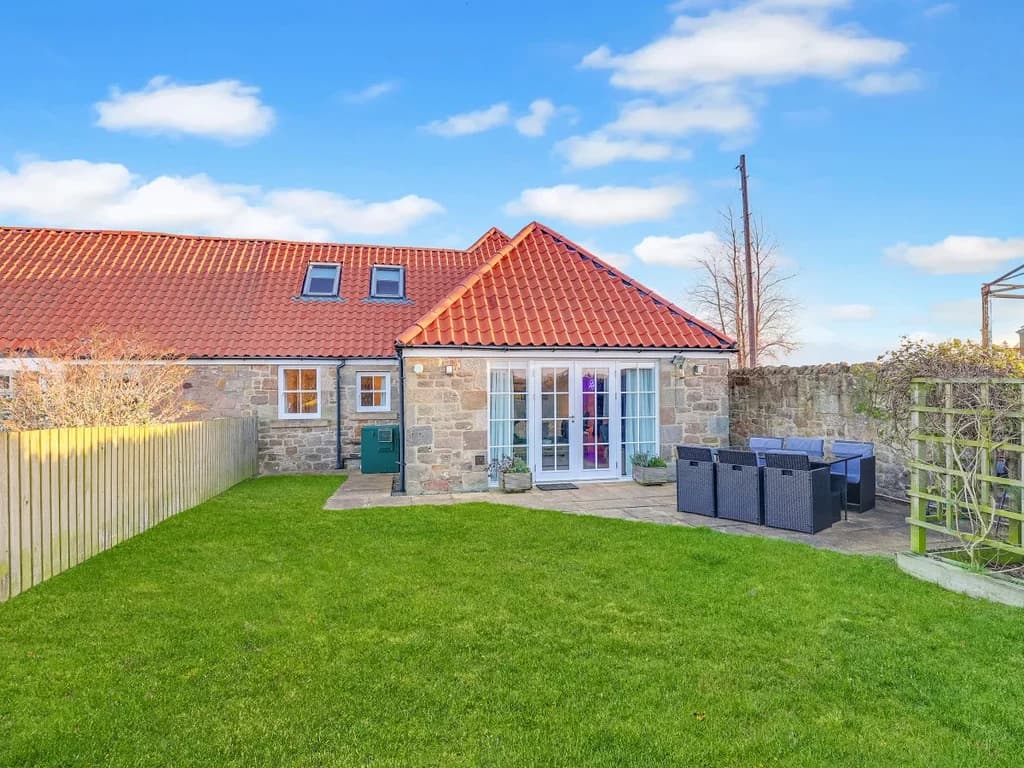
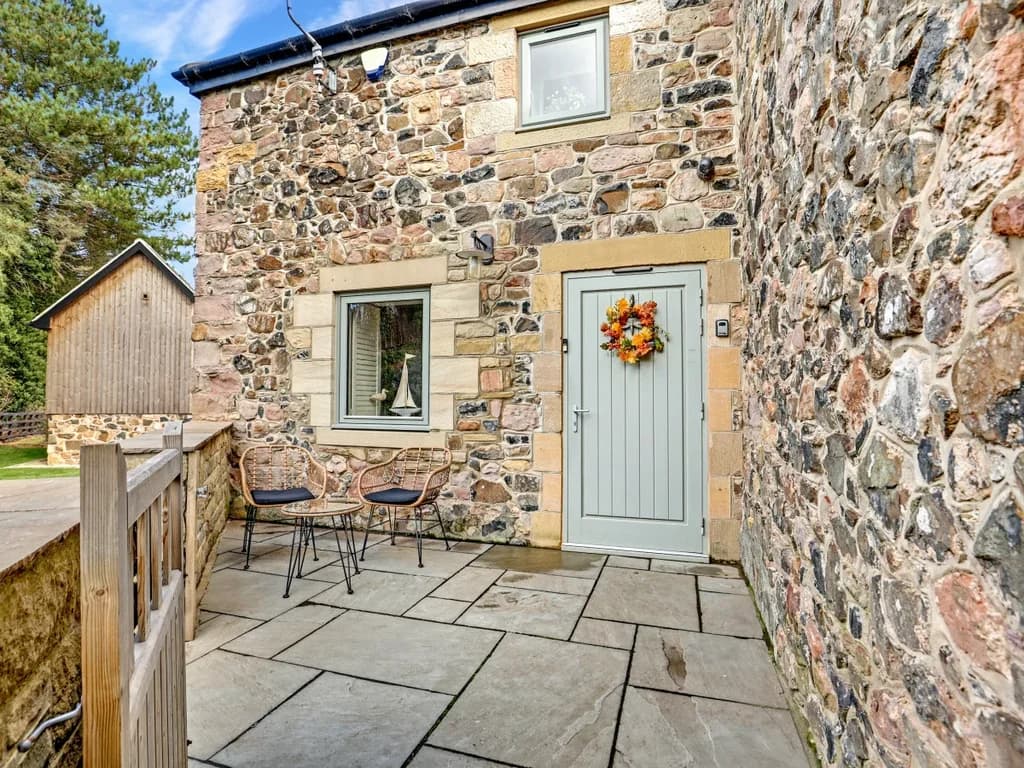
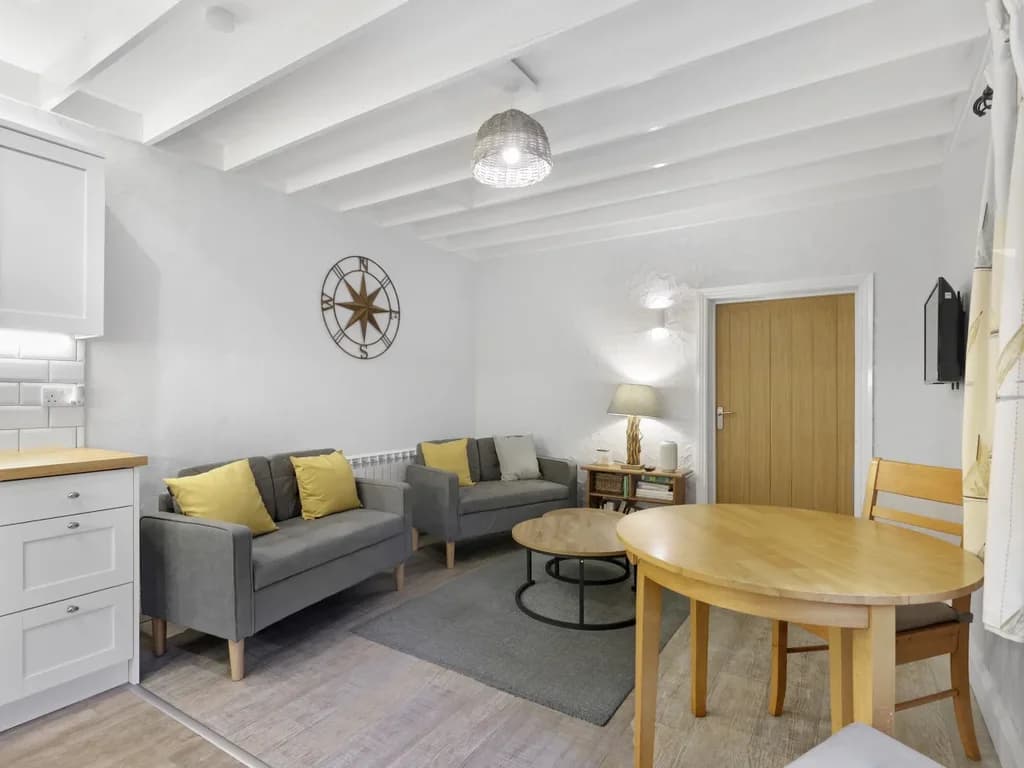
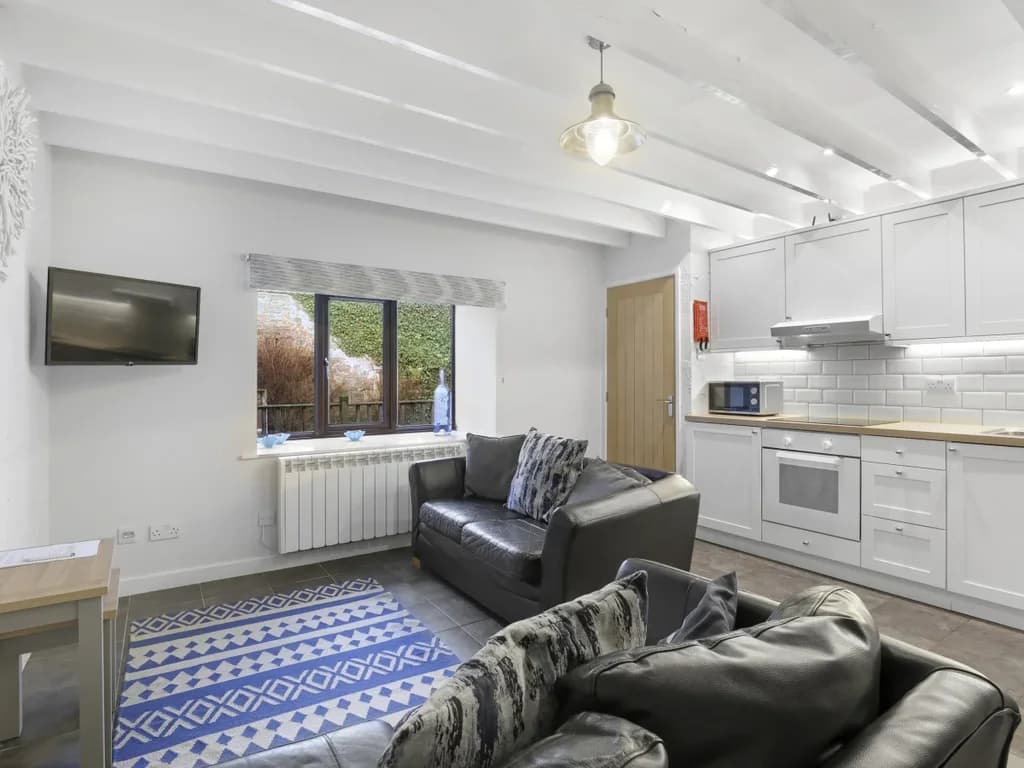
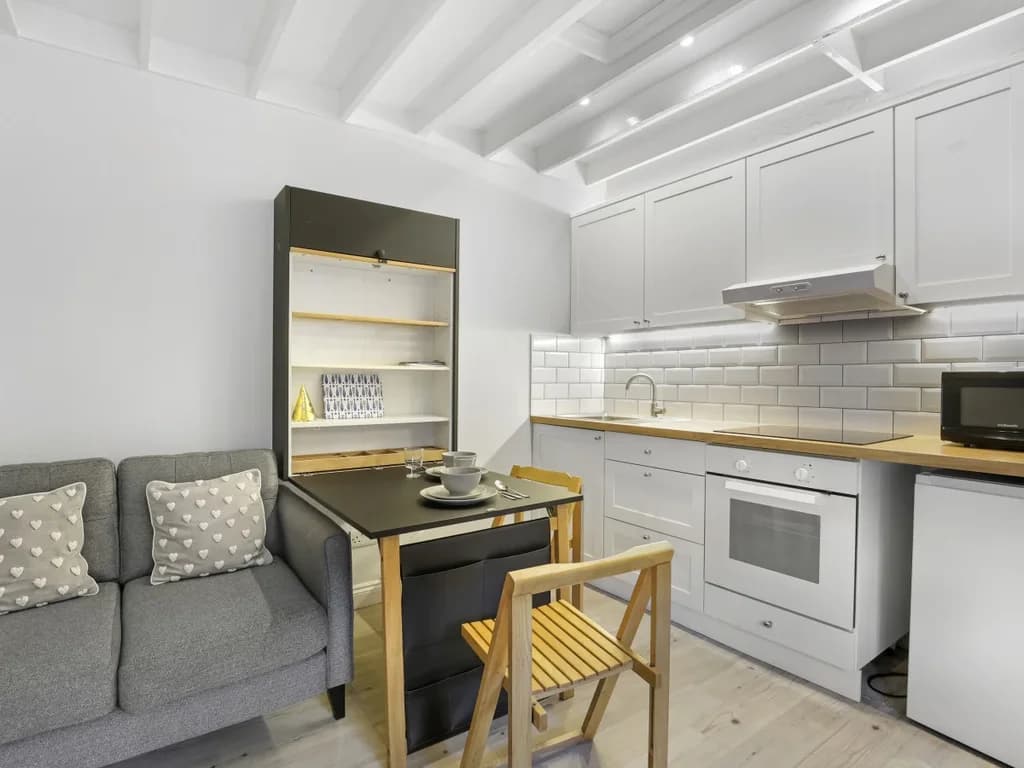
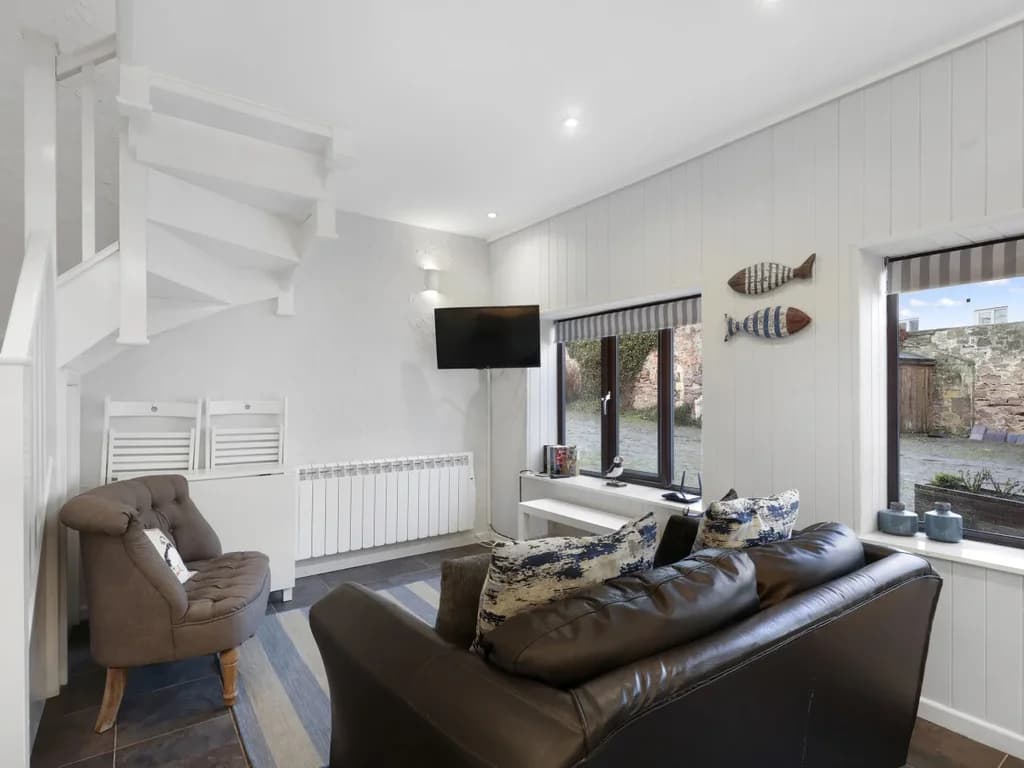
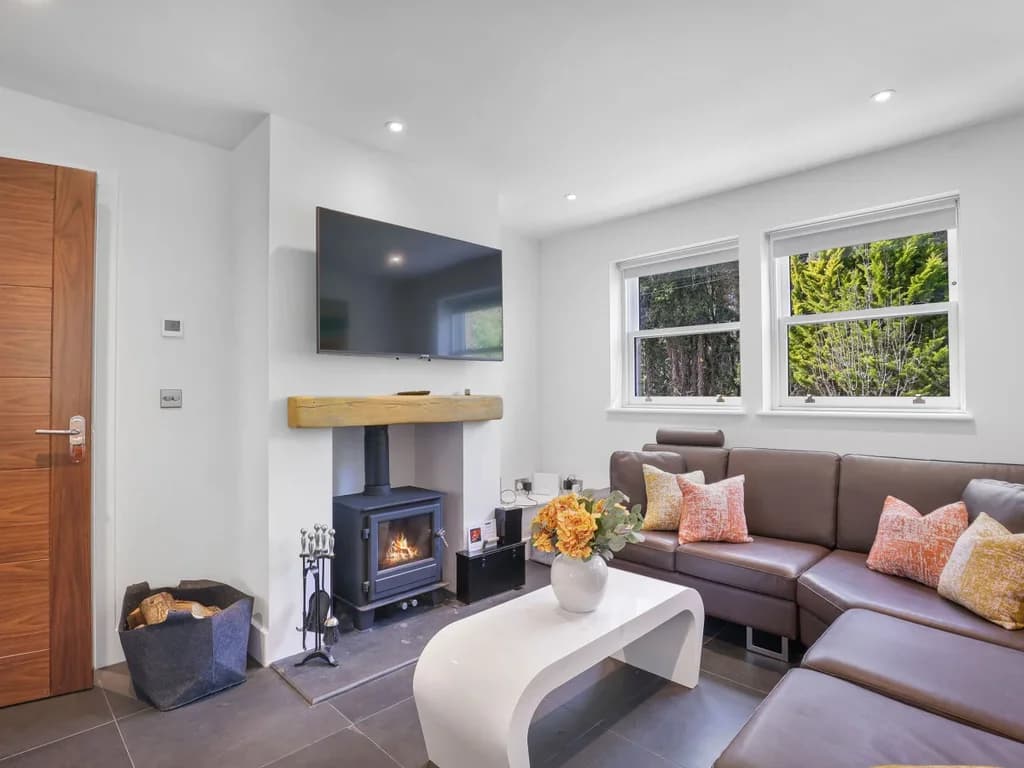
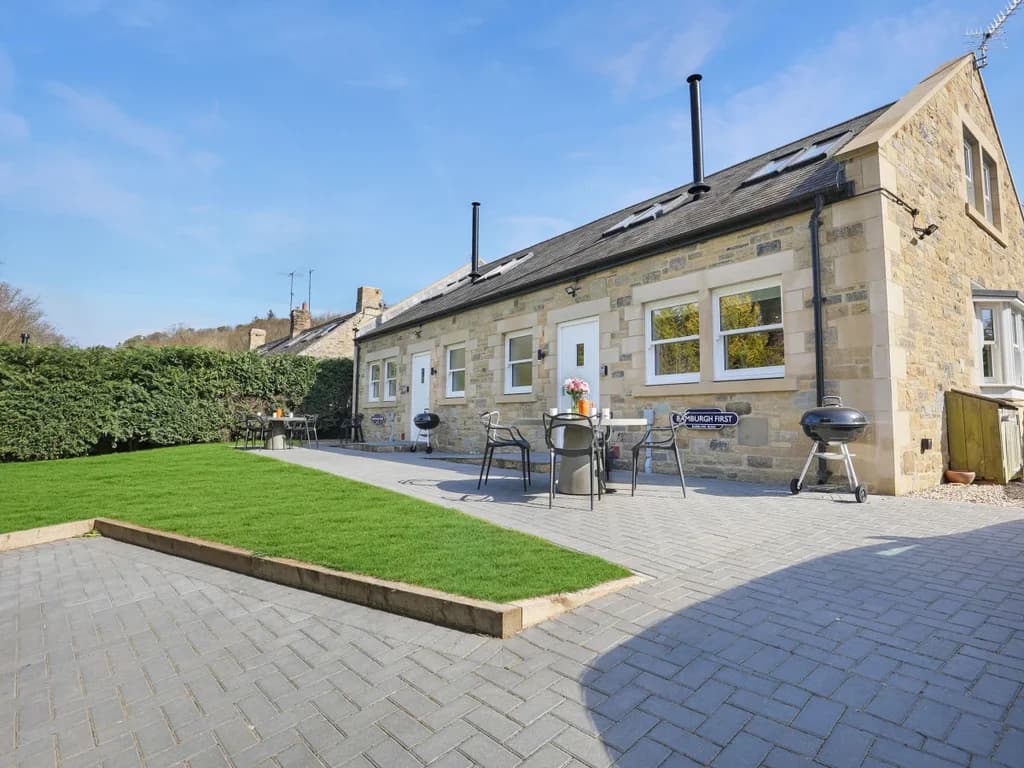
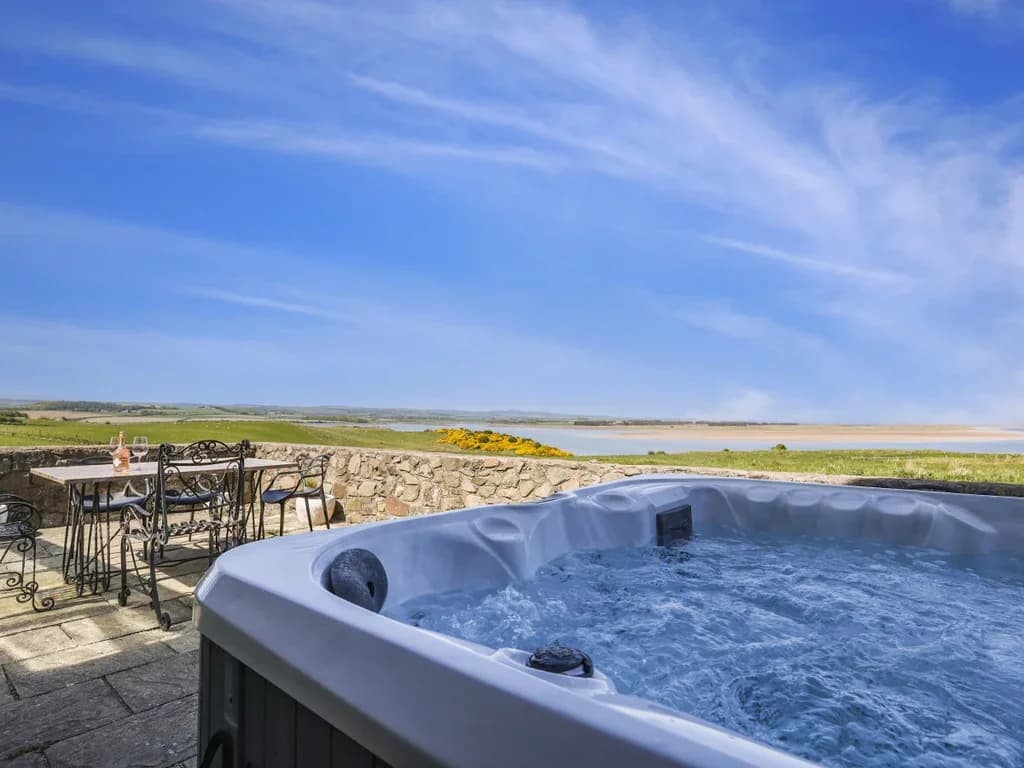
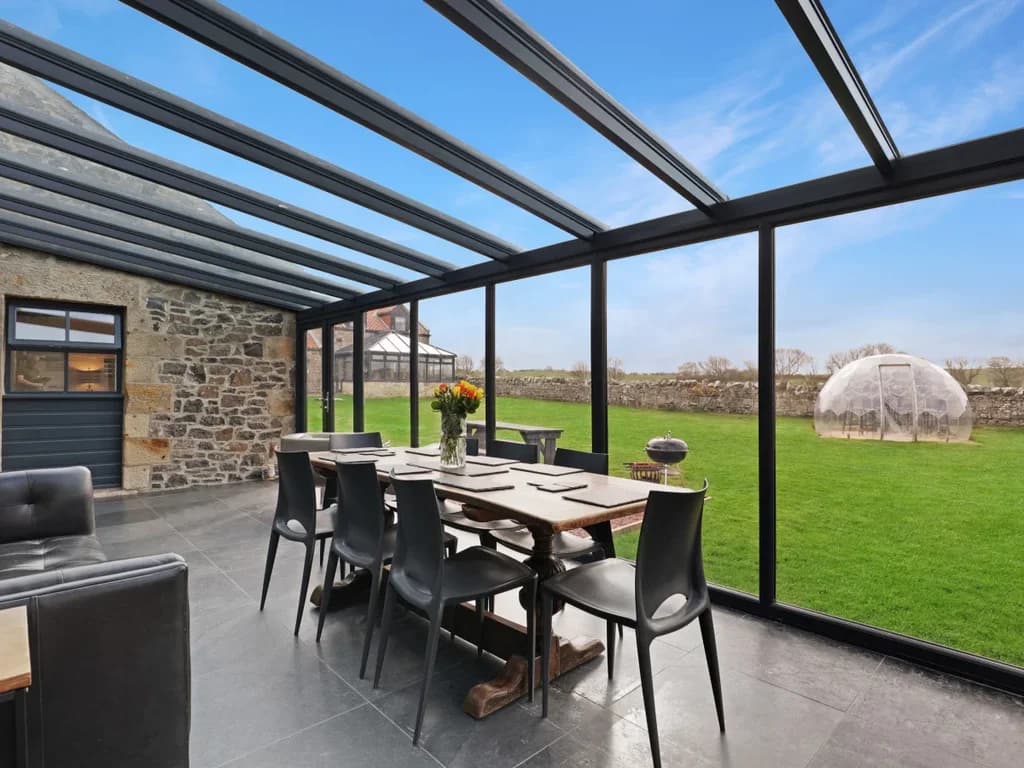
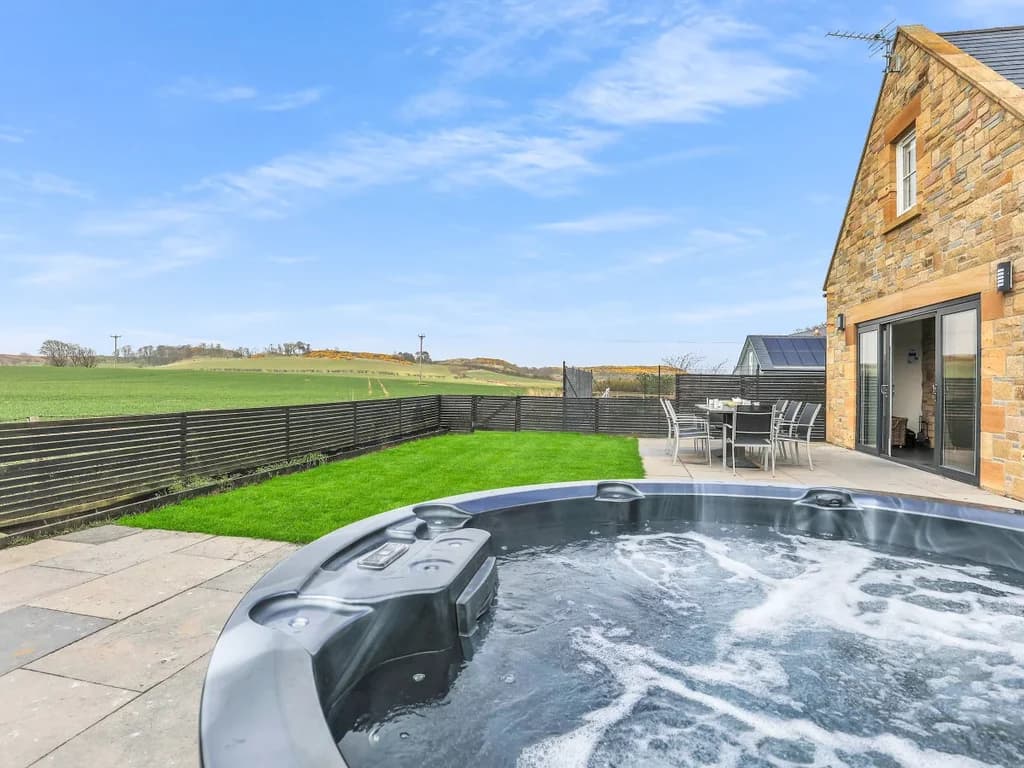
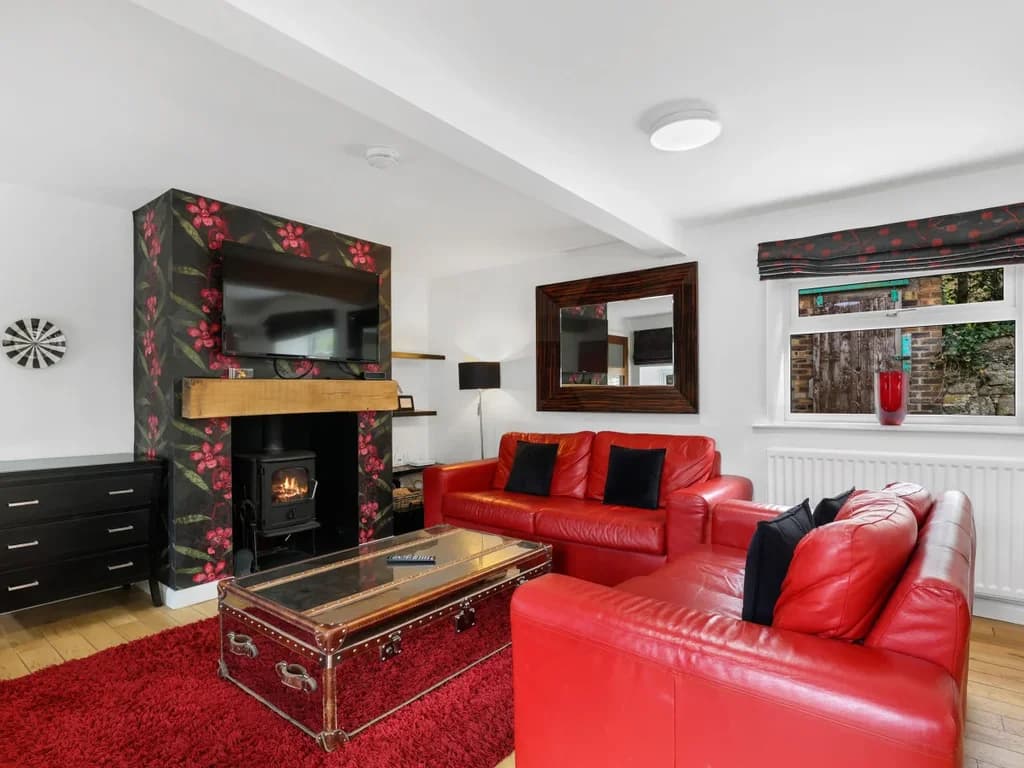
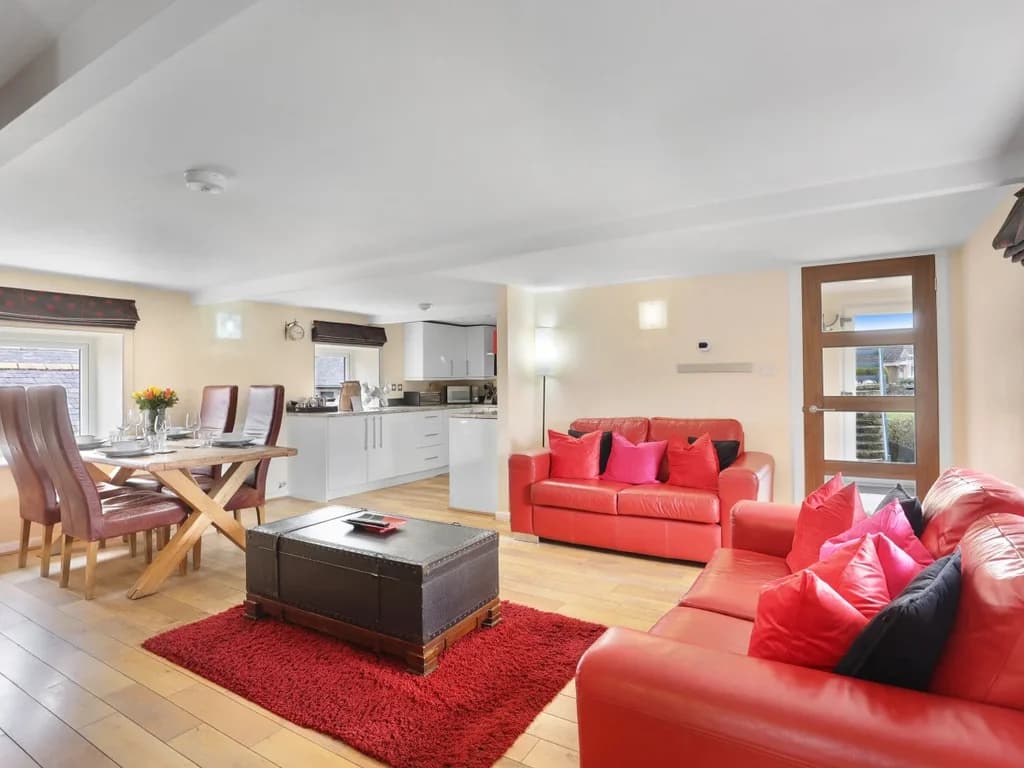
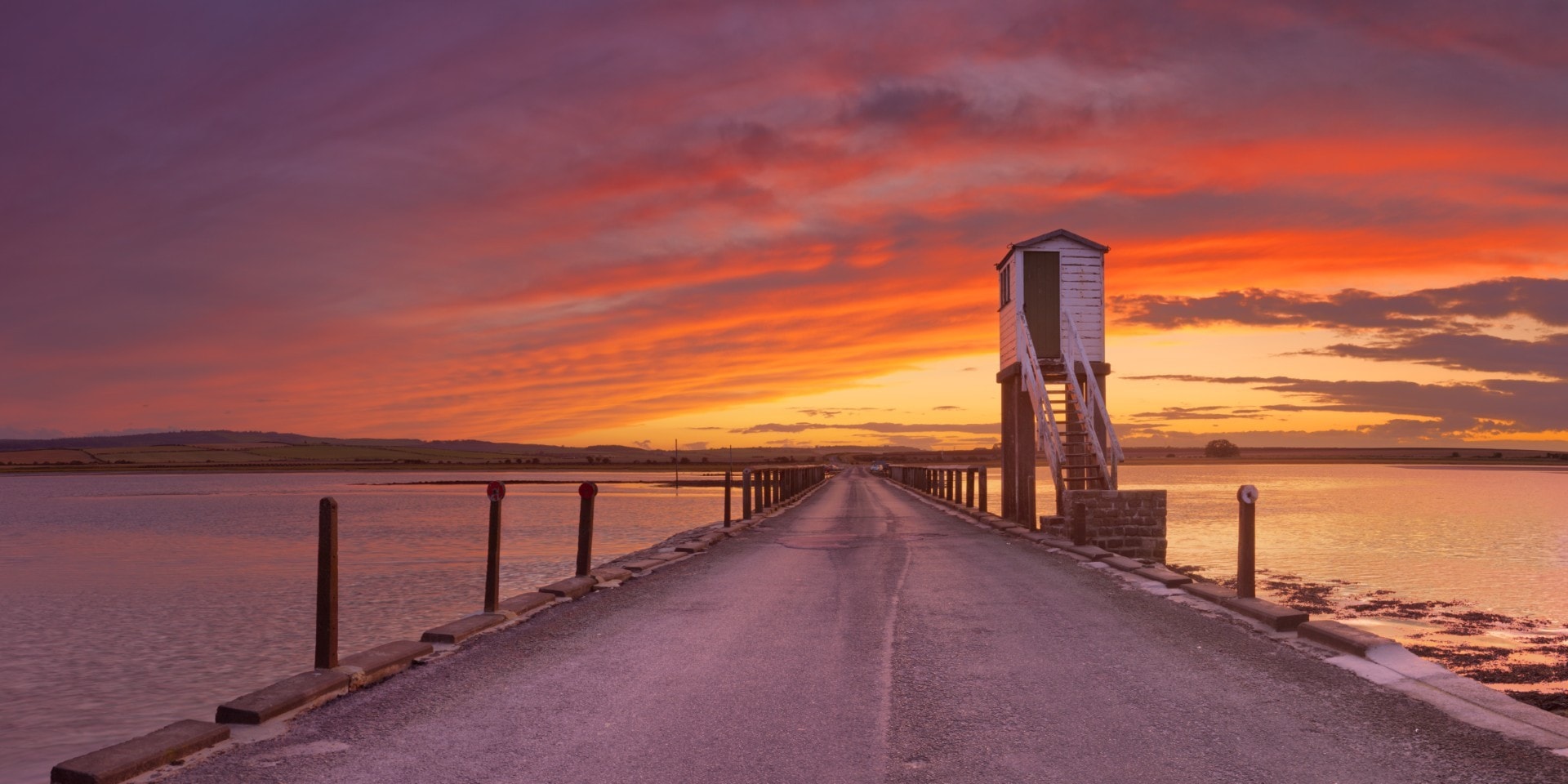
The best visits to Holy Island come from a little bit of planning. The causeway is only passable around low tide, so check the official Northumberland County Council safe crossing timetable before you travel and again before you leave, and fit your arrival and departure around it. Parking, sleeping numbers and pet rules vary by property, so read each listing closely. Once you’ve unpacked and settled in, everything on Lindisfarne is close by.
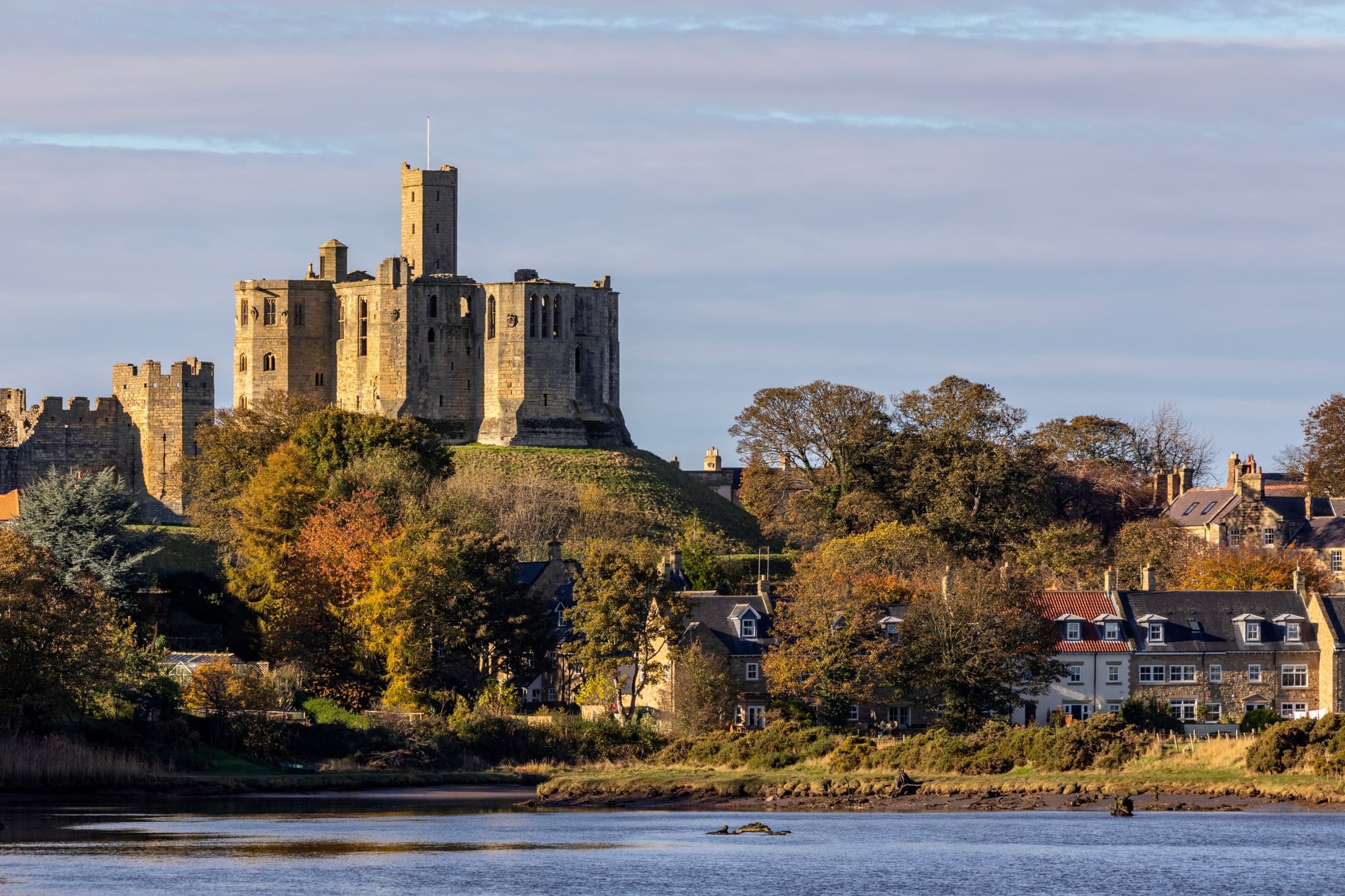
Walk to Lindisfarne Priory, where St Aidan founded a monastery in AD 635, then follow the shore to Lindisfarne Castle, a Tudor fort remodelled in the early 1900s and perched on a whinstone crag. The Lindisfarne Centre in the village tells the story of the Lindisfarne Gospels, the illuminated manuscript made here around AD 700, though the original now lives at the British Library. Past the upturned herring boats used as sheds, the Heugh gives you a high view over the harbour and across to Bamburgh on a clear day.
Dog walkers and birdwatchers have the dunes and mudflats of Lindisfarne National Nature Reserve, where grey seals haul out on the sandbanks and thousands of wildfowl arrive each winter. Evenings are for a drink at The Ship Inn or The Crown & Anchor, and a bottle of Lindisfarne Mead from the village makes an ideal souvenir. Island pubs and cafés keep their own hours, and many close early outside high season, so check before you plan dinner. Pilgrims Coffee House & Roastery is a must for any visit to the island, and is just over the road from Lindisfarne Scriptorium, an art gallery perfect for picking up gifts for those left at home. Lindisfarne cottages within the village put all of this on foot, so the car can stay parked.
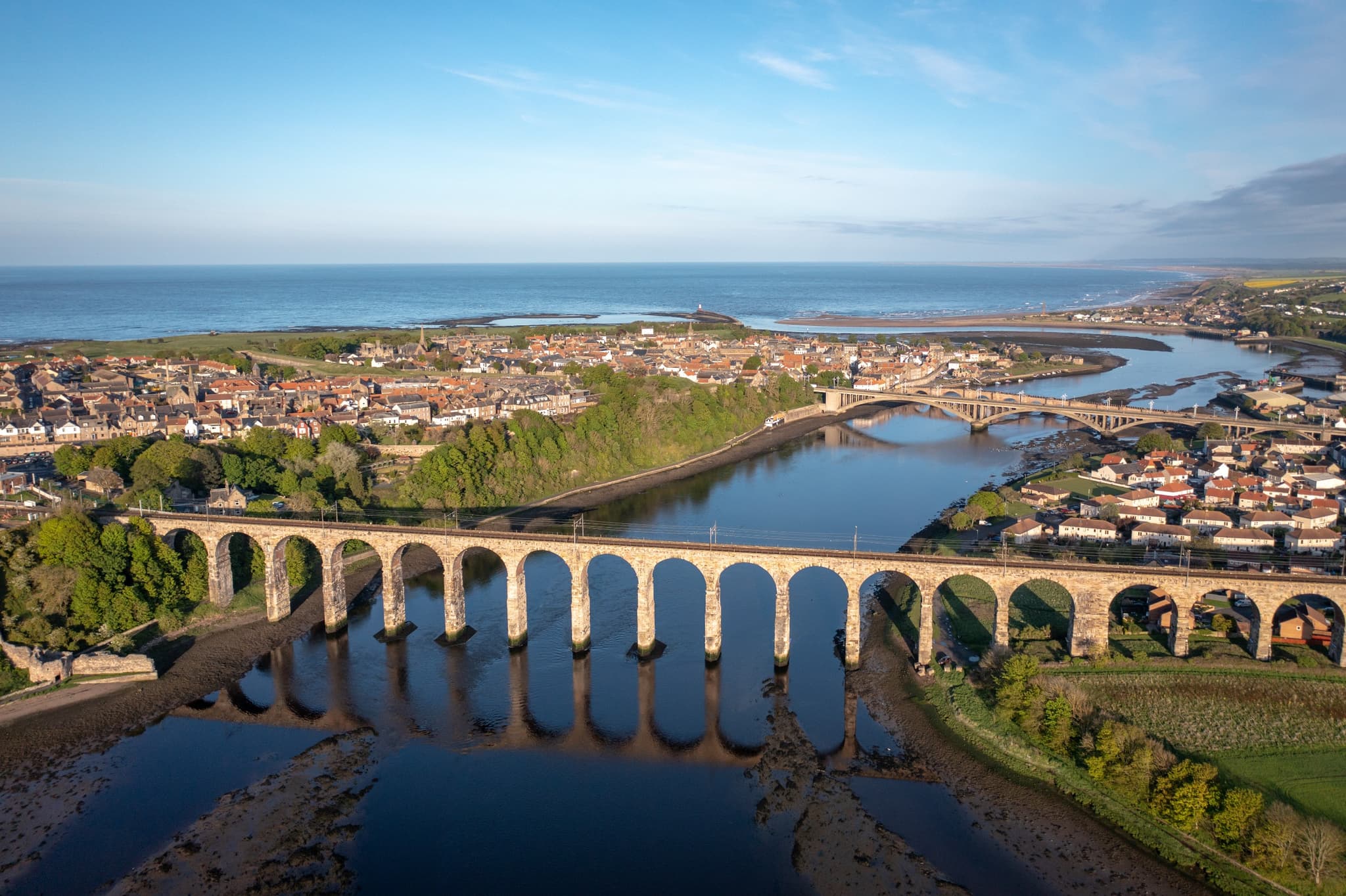
If you’d rather not have the tide times dictate your plans too much, mainland stays near Bamburgh and Belford give you an easy drive to the causeway, and Berwick-upon-Tweed is the nearest large town for shops and railway links. Whichever you choose, you’re booking direct with a local team that checks every location detail before it goes online.
By road, leave the A1 near Beal and follow the signed route to the causeway, which is the only road on and off the island. Without a car, the nearest train station is Berwick-upon-Tweed, and a bus service runs from there to the island on a timetable shaped by the tides. Check the current times before you travel, and leave extra time for the onward leg.
No. The causeway floods at high tide, so you can only cross during the safe windows around low tide, and those windows move every day. Signs and refuge boxes along the route are there for a reason, as it’s vital to give this natural phenomenon adequate respect and caution. If the road is closed or the water is rising, wait on the mainland, because attempting the crossing risks both the safety of you and your vehicle.
Yes, and it’s worth doing at least twice. Once, when you book, so you know what your arrival day looks like, and again a day or two before you set off. Use the official Northumberland County Council safe crossing timetable rather than a general tide table, as it shows when the road is actually safe. Plan to leave the island well before the closing time and not at the last minute, as it takes roughly 15 minutes by car or roughly 1.5 to 2 hours on foot to make the crossing.
It depends on how you like to travel. Staying on the island means quiet evenings and mornings that offer a fresh kind of peace, and the magic of following the natural rhythms of the tide. Staying on the mainland gives you more choice of properties, shops and restaurants, easier day trips to places like Bamburgh, and the freedom to cross at the most convenient time for you. Each listing states clearly whether the property is on the island or on the mainland so that choice is yours.
You can also view all our Northumberland Homes and Cottages